


Why Pakistani Brands Are About to Win the GCC. The Next Ten Years.
I am writing this from a flight back to Lahore. Same flight I have taken thirty times. The thing that has changed is the cabin. Used to be guys in suits going home for Eid, families with too much luggage, and one or two very tired NGO consultants. Now it is half full of founders. Some of them are mine. Most of them are not. All of them are pitching the same thing in slightly different shapes.
The Pakistan to GCC corridor has quietly become the most underpriced lane in consumer right now. Capital is in the Gulf. Talent is in Lahore and Karachi. Distribution is in Dubai and Riyadh. And almost nobody who lives in any one of those cities full time is connecting the three properly. That is the gap. It is going to close, fast.
What changed in the last 36 months
Three things shifted at the same time. Pakistani manufacturing got serious. KSA became actually buyable for non resident founders. And the GCC consumer started rewarding regional taste over imported taste.
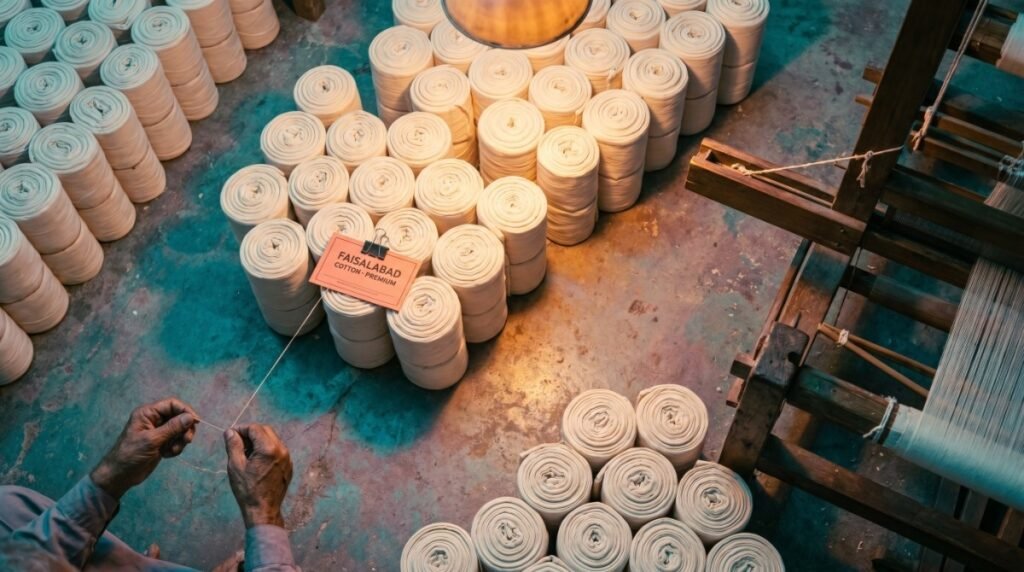
Pakistani manufacturing is the part most people miss. There are FDA registered cosmetics labs in Karachi now that supply private label SKUs to brands you have heard of in Sephora Middle East. There are textile mills outside Faisalabad doing premium cotton at gauges that used to only come out of Portugal. The cost stack is still 30 to 60 percent below GCC equivalents. The quality gap is gone. What used to be a compromise on quality has become a compromise on lead time, and lead time is fixable.
KSA is the second one. Pre 2022, getting a foreign founded brand into KSA retail was a year of paperwork and a 50 percent loss to local partners. Post Vision 2030 reforms, the math is closer to four months and a much cleaner cap table. Saudi consumers are also showing up with a different appetite. They are buying skincare from Lahore, fashion from Karachi, F and B from Dubai based Pakistani founders. They want the South Asian story. They have just enough cultural overlap to feel it without it being foreign.
The third shift is the GCC consumer themselves. Ten years ago everyone wanted Bond Street. Now they want a story they can post about. The brand has to be ownable, regional, and have a real human behind it. That is a paragraph that should make every Pakistani founder reading this very awake.
Where the real opening sits
I keep telling founders to stop launching brands and start launching positions. There are five lanes I would put real money on right now if I were starting from scratch.
Ingestible wellness with a desi spine. Not turmeric capsules. Not the same haldi milk in a glass bottle. I mean serious functional formulation with branding that does not embarrass anyone. There is a Pakistani team building a kefir line right now that tastes like nothing you have had in the GCC. They will be in Spinneys within twelve months.
Modest fashion that is not ironic. The category got hijacked by either fully traditional brands or extremely online niche labels that exist only on Instagram. Nobody owns the middle. The middle is huge. UAE and KSA buyers want elevated abaya, modern shalwar, tailoring that does not require either Eid or a wedding to wear. Whoever cracks this with proper retail presence wins.
Pakistani F and B with proper hospitality design. There are six Karahi places in DIFC. None of them are designed. I do not mean fancy. I mean designed. There is room for one Pakistani concept that takes its interiors as seriously as the kitchen. Watch Hadi from Sajjadi do this in Dubai in 2027.
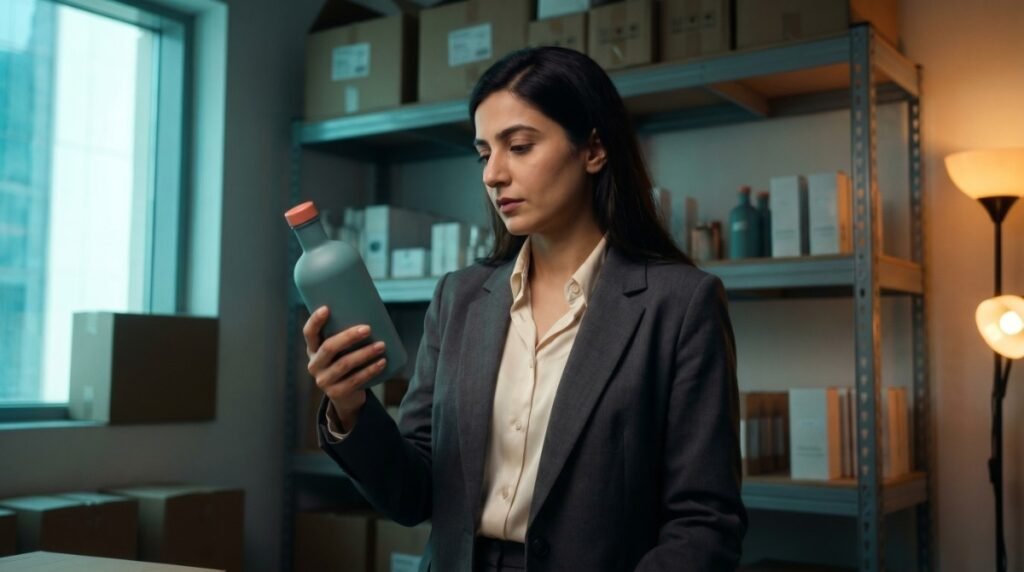
Skincare and grooming engineered for South Asian skin. The two skincare brands sitting in every Sephora Middle East right now are designed for European skin. The active ingredient profile is wrong for our complexions. Founders out of Lahore and Karachi can fix this with a cleaner clinical story than what is on shelf today.
Premium home, especially textiles and tableware. Multani pottery, Sindhi block print, Punjabi handwoven cotton. All of it is sitting in workshop economies waiting for a brand to give it retail packaging. The price point lands beautifully between Zara Home and The White Company.
What is going to slow it down
The biggest blocker is not capital. It is the founder layer.
Most Pakistani consumer founders I meet still build like they are launching in Karachi only. The packaging is in Urdu and English when it needs to be in Arabic and English. The brand book is built around Pakistani holidays when the GCC retail calendar runs on Ramadan, Eid, summer, and back to school. The hero SKU is sized for a 4 person family in Lahore when the GCC hero SKU should be sized for a 1 person Dubai apartment with limited storage.
Fixable. Just rare to see it fixed at the start.
Second blocker is taste at the top. There are too many Pakistani founders who have never lived in the GCC pricing their products from the floor up instead of the brand down. The math should be: what does a Dubai consumer expect to pay for this category, then work backwards. Not: what does it cost me to make plus 40 percent margin. The GCC consumer is happy to pay premium. They are not happy to pay premium for something that feels like it was priced from a Karachi factory office.
Third blocker is honest reporting. Pakistani founders sandbag their numbers when they are pitching abroad and oversell them at home. Investors in Dubai see through this in twelve seconds. The discount you take on credibility is bigger than the discount you take on the round size. Just tell the real story. The real story is usually still good.
What I would do if I had ten years and one shot
If I were starting from zero today with a Pakistani consumer thesis, I would do three things in this order.
Start with the brand layer in Dubai. Hire a designer and a strategist who have shipped GCC brands. Build the visual identity, the website, and the launch story to GCC standard from day one. Rent a tiny office in Al Quoz or one of the JLT towers, not because you need it, but because every wholesaler conversation needs a UAE address attached. Do this before you finalise product.
Manufacture in Pakistan with a co founder or partner who has skin in the game in Karachi or Sialkot or Faisalabad. Do not freelance the supply chain. Do not assume because someone is your cousin they will hold the line on quality. Equity beats handshakes every single time.
Sell into the GCC through three channels in parallel. One: an aggressive Instagram and TikTok organic strategy with founder voice. The GCC consumer trusts faces more than they trust brands right now. Two: one trade marketing relationship with a regional retailer like Spinneys, Carrefour, Sephora, or Bloomingdales depending on category. Three: an actual physical pop up rotation across Riyadh, Dubai, Doha. Three weekends, three cities, twelve months. The pop up is not for revenue. It is for press, content, and customer faces.
I have watched five Pakistani founders try this in the last two years. Two of them are doing well. Two of them quit. One is being acquired. The variance is almost entirely about the founder, not the product.
The decade ahead
Pakistan is about to have its consumer brand decade. Same way India had hers from 2015 to 2024. Same way Korea had hers from 2010 to 2018. The question is not whether it happens. The question is whether the ten or twelve names that come out of it are owned by Pakistani founders, or whether the manufacturing is Pakistani and the brand layer is Lebanese, Indian, or American.
I am betting hard on the first version. I am putting money where my mouth is and I am writing about it more this year because I want the next set of founders building this to find each other faster.
If you are building one of these brands and you are reading this from Lahore, Karachi, or Dubai, get in touch. I will read your deck and tell you what is wrong with it. I will not be polite about it.